Elevate Your Brand: The Impact of Professional Photography on Business Success
In today's competitive market, the importance of professional photography is undeniable. Companies that prioritize high-quality visuals frequently benefit from improved reputations and greater consumer confidence. Visual storytelling plays a vital role in fostering connections with audiences. However, not all images serve the same purpose. Understanding how to choose the right photographer and utilize visuals effectively can make a substantial difference. What methods can businesses use to enhance the effectiveness of their visual content?
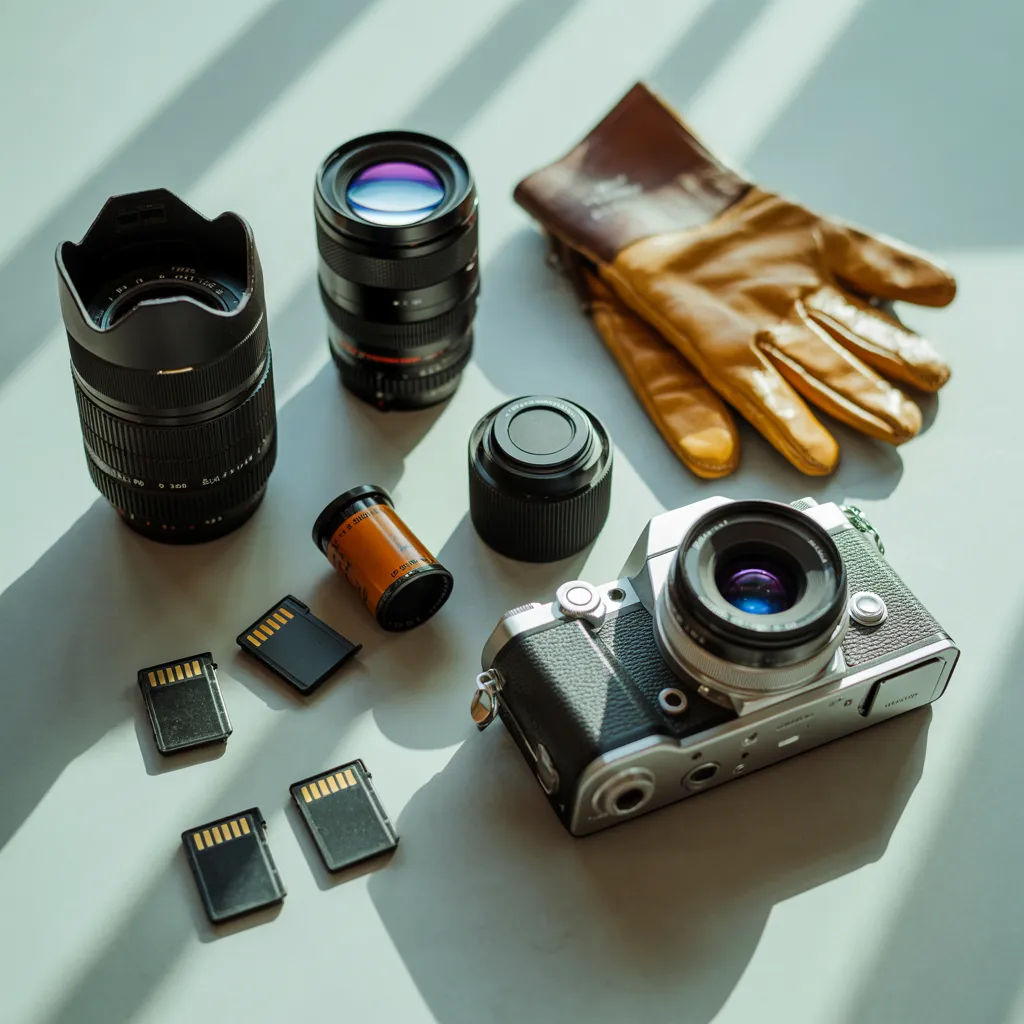
Why You Should Care About Professional Photography
Why is professional photography essential for businesses? The answer lies in the power of first impressions. Superior images can powerfully strengthen a brand's identity, conveying professionalism and attention to detail. In a visually driven marketplace, new customers commonly form opinions about a brand from its imagery. Expert photography presents products and services in the most favorable way, attracting and retaining customer interest.
In addition, steady and refined visuals help establish brand identity and recognition. Authenticity is vital; expertly crafted visuals can develop an engaging narrative that connects with viewers. This commitment can generate greater audience visit resource engagement across various platforms, from websites to social media channels.
Ultimately, organizations that commit to high-quality photography emerge as leaders in their industry, building confidence and reliability. In a world where visual content dominates, the demand for quality imagery is not just beneficial—it's vital for long-term success.
The Role of Visual Storytelling in Brand Engagement
In today's fast-paced business world, visual storytelling has emerged as a powerful tool for brand engagement. By building narratives with imagery, brands can create emotional connections with their audiences, ensuring their communications are more engaging and unforgettable. This methodology surpasses standard promotional techniques, permitting organizations to convey their principles, objectives, and identity through powerful visuals.
Compelling visual narratives grabs attention and encourages meaningful engagement, motivating customers to commit to the brand. It enables businesses to showcase their products and services in context, showing how they add value to everyday experiences. With thoughtfully selected visuals, companies can emphasize their distinctive advantages and distinguish themselves within their industry.
Moreover, storytelling through visuals boosts online visibility, as distributable content boosts exposure and stimulates audience engagement. By employing high-quality images that resonate with target demographics, brands can cultivate loyalty and drive engagement, ultimately contributing to long-term business success.
How High-Quality Images Build Consumer Trust
Superior-quality photographs function as a pillar for establishing consumer trust in today's online marketplace. They deliver a visual representation of a company's identity, conveying professionalism and attention to detail. When consumers encounter crisp, well-composed photos, they are prone to perceive the brand as credible and reliable. This understanding is vital, especially in an environment filled with competing brands and inaccurate information.
Furthermore, premium-quality visuals elevate the overall user experience, turning websites and social media platforms into more engaging spaces. They allow potential customers to visualize products or services, building a sense of familiarity and trust. As buyers increasingly depend on visual elements to guide their purchasing choices, companies that invest in professional imagery set themselves apart from the competition.
In the end, the influence of professional-grade images reaches beyond mere appearance; they foster a robust foundation for trust, inspiring customer loyalty and propelling business success.
How to Choose the Right Photographer
Choosing the ideal photographer is essential for matching visual content with a brand's identity. It entails clearly defining the business vision, evaluating the quality of the photographer's body of work, and considering budget options. By focusing on these key factors, businesses can reach informed decisions that improve their visual identity.
Shape Your Brand Vision
A precise brand vision acts as the basis for selecting the ideal photographer. Companies must first define their identity, values, and target audience, as this insight directs the photographic style needed to successfully convey their vision. Determining whether the business gravitates toward a modern, minimalist aesthetic or a vibrant, dynamic approach is essential. Furthermore, defining clear objectives—such as improving digital visibility or creating impactful marketing materials—will guide the selection of a photographer whose skill set aligns with these objectives. By recognizing the desired emotional response from the viewers, businesses can guarantee they identify a photographer who can capture the essence of their brand. This purposeful approach significantly strengthens the general impact of the brand imagery.
Review Portfolio Quality
When evaluating photographers, the standard of their portfolio serves as a vital indicator of their capabilities. A comprehensive portfolio showcases a range of styles and subjects, allowing potential clients to evaluate the photographer's versatility and technical skills. It is essential to look for uniformity in image quality, lighting, and composition, as these elements reflect the photographer's dedication to detail. Additionally, assessing prior work relevant to the specific field can provide insight into how well the photographer understands branding and marketing needs. Client testimonials or case studies accompanying the portfolio may additionally strengthen credibility. Ultimately, a carefully curated portfolio not only showcases artistic vision but also highlights the photographer's ability to produce results that correspond with a business's goals.
Think About Budget Considerations
Reviewing the quality of a portfolio sets the foundation for choosing the ideal photographer, but financial considerations play an equally important role in the decision-making process. Businesses must establish a clear budget that aligns with their business objectives. This budget should include not only the photography fees but also other potential costs, such as editing, travel, and licensing fees. Comparing multiple photographers helps companies achieve a compromise between cost and quality. It is crucial to communicate needs and expectations upfront to avoid unexpected expenses. Additionally, some photographers might present special packages or price reductions for larger projects, creating more opportunities for budget-conscious businesses. At the end of the day, thoughtful fiscal planning can lead to a fruitful working relationship that strengthens brand identity without exceeding the budget.
Utilizing Images Efficiently Across Platforms
Leveraging the power of images can significantly enhance a company's presence across multiple platforms. Effective image use requires an understanding of the unique characteristics of each platform. For example, bold, attention-grabbing visuals work well on social media, encouraging user participation and reach. In contrast, clean, professional images are crucial for websites and e-commerce platforms, where they foster trust and credibility.
Additionally, consistency in visual style—color schemes, fonts, and image quality—bolsters brand identity. Optimizing images for various formats, such as square for Instagram and landscape for Facebook, secures an ideal display and user experience. Moreover, integrating images into email marketing campaigns can significantly boost open and click-through rates.
Case Studies: Key Takeaways From Top Brands
Successful brands showcase the significant difference of professional photography on business results. For instance, a well-known beauty company redesigned its advertising strategy by employing premium visuals that presented its product line in real-world settings. This shift generated a 30% rise in online sales in just six months, demonstrating the power of compelling visual content.
Similarly, a high-end hotel group used expert photography to highlight its unique amenities and stunning views. The impressive imagery not only elevated their website but also elevated social media engagement, leading to a 50% rise in reservations booked directly.
Another example is a apparel company that invested in a cohesive visual identity through expert photography sessions. This initiative not only boosted its brand reputation but also developed a faithful customer community, demonstrated by a 40% rise in recurring sales. These success stories illustrate how the purposeful adoption of professional photography can greatly enhance brand perception and propel overall business achievement.
Frequently Asked Questions
How Much Does Professional Photography Services Cost?
Planning a budget for professional photography typically ranges from $500 to $5,000, influenced by elements including project complexity, the photographer's experience level, and usage rights. Organizations should examine their specific needs to identify an appropriate budget that falls within this range.
Can I Use Stock Photos Instead of Hiring a Professional?
Employing stock photography may serve as a budget-friendly option to bringing in a professional, but they may fall short on originality and individuality. Companies ought to consider the value of authentic visuals against cost considerations when determining imagery choices.
How Regularly Should I Update My Brand Visuals?
Companies need to refresh their visuals every twelve to twenty-four months to keep pace with evolving trends and maintain relevance. Regular refreshes help keep the visual identity current, captivating viewers and strengthening brand loyalty through steady, polished imagery.
What Photography Types Are Most Suitable for My Industry?
Lifestyle, product, and event photography serve as fundamental in most industries. Businesses should prioritize professional-grade images that resonate with their desired demographic, highlighting professionalism and authenticity to enhance customer engagement and brand perception effectively.
How Can I Track the Influence of Photography on My Brand?
To measure photographic content's effect on a brand, one can analyze engagement metrics, track conversion rates, collect customer feedback, and evaluate brand recognition through surveys, ultimately assessing how photographic content impacts overall company performance.